Jaw pain, frequent headaches, and trouble chewing are problems many people live with for years without ever realizing their teeth could be the cause. When the teeth do not line up properly, the jaw has to work much harder than it should. Over time, that extra effort creates real pain and discomfort that can affect everyday life.
If you have been dealing with these issues, speaking with a dentist in Kissimmee that patients trust is a great place to start. Braces are one of the most effective ways to fix the root cause of jaw pain by correcting how the teeth and bite line up.
How Does a Bad Bite Cause Jaw Pain?
The way your upper and lower teeth come together when you close your mouth is called your bite. When the bite is off — meaning the teeth do not meet evenly — your jaw muscles and joints have to work overtime every time you chew, speak, or even just rest your mouth.
Over time, this constant extra effort leads to tired muscles, joint soreness, and pain. The joint that connects your jaw to your skull is especially vulnerable. When this joint is under too much stress, it can cause a condition called TMJ disorder.
Common signs that your bite may be causing problems:
- Jaw pain or stiffness, especially when you wake up in the morning
- Frequent headaches that seem to start near the temples or jaw
- A clicking or popping sound when you open or close your mouth
- Difficulty chewing certain foods without discomfort
- Teeth that look worn down or uneven
- Tension in the neck or shoulders without a clear reason
If any of these sound familiar, getting a proper assessment is an important first step.
How Braces Help With Jaw Pain
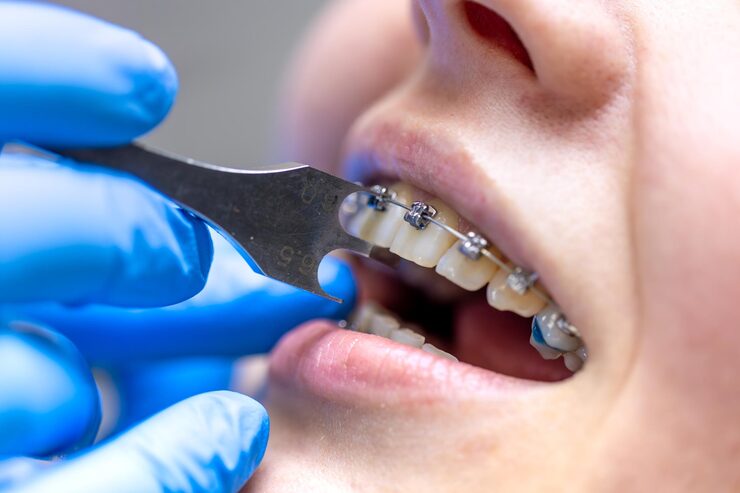
Jaw pain treatment with braces works by gradually moving the teeth into their correct positions. When the teeth are lined up properly, the upper and lower jaws come together evenly.
This means the jaw muscles no longer have to strain and overwork just to find a comfortable resting position.
Many patients find that as their teeth slowly move into better alignment, symptoms they had lived with for years — like jaw tension, headaches, and pain when chewing — begin to improve.
When you have braces in Kissimmee, they apply a gentle and continuous force to your teeth for a prolonged period of time. These forces align each individual tooth to best establish an occlusal balance. While the whole process takes time, many patients feel an improvement in their jaw prior to even completing their brace therapy.
Can Braces Reduce Jaw Pain and Headaches?
Many people ask this question — and for most patients dealing with bite-related discomfort, the answer is yes.
When the teeth move into proper alignment and the bite becomes balanced, the jaw no longer has to overcompensate. The muscles relax. The joint is under less pressure. The pain that came from years of that constant strain often reduces significantly.
It is worth knowing that jaw pain can sometimes have more than one cause. If there is joint damage or another contributing factor, additional treatment may be needed alongside braces. A thorough assessment will give you a clear picture of everything that is going on.
What Happens When Chewing Is Uneven?
Chewing alignment problems are one of the most common — and most overlooked — effects of a bite that is out of balance. When the teeth do not meet properly, chewing becomes harder and less efficient.
Here is what can happen:
- Some teeth wear down much faster than others
- The jaw muscles get tired more quickly during meals
- Certain foods become uncomfortable or even painful to eat
- Food is not broken down as well, which can affect digestion
Braces correct the position of the teeth so that chewing pressure is spread evenly across all the teeth. The result is a bite that works the way it is supposed to — comfortably and without unnecessary strain.
What to Expect From Braces Treatment
For the most part, braces are worn for 12 to 24 months, depending on the extent of the correction required. Appointments for adjustment are made throughout the duration of treatment in order to keep things on track.
Modern braces are much more comfortable and less noticeable than older versions. Options include traditional metal braces, ceramic braces that blend with the colour of your teeth, and clear aligner systems. Your dentist will recommend the best type based on your bite and your personal preferences.
Start Living Without Jaw Pain — Visit Smile 101
Jaw pain and bite problems do not have to be something you just put up with. With the right treatment, real and lasting relief is possible.
At Smile 101, the team is experienced in finding the cause of bite problems and creating treatment plans that improve both how your smile looks and how it feels. If you have been dealing with jaw pain, headaches, or trouble chewing, book your consultation today and find out how braces could change how you feel every single day.
Frequently Asked Questions
How do I know if my jaw problems are because of my bite?
Look for jaw stiffness, headaches (usually in the temple area), a click when opening and closing the mouth, and worn-down-looking teeth. This can be diagnosed at a dental visit involving X-rays and a bite check.
How long does it take for braces to help with jaw pain?
Many patients start to notice some improvement in jaw tension and headaches within the first few months of treatment as the teeth begin to shift. Full improvement usually comes once the bite is completely corrected at the end of treatment.
Apart from braces, what other treatments are available for bite issues?
Sometimes clear aligners can correct bite problems like braces can. While a bite splint may be used for short-term symptom management, it does not treat the alignment issue itself. Your dentist will determine what the most suitable method is for you.
Can adults use braces to fix jaw pain?
Yes, absolutely. Braces work well for adults too, not just teenagers. Many adults choose treatment specifically because of jaw pain or bite problems — and most see real improvements in their comfort and daily life as a result.