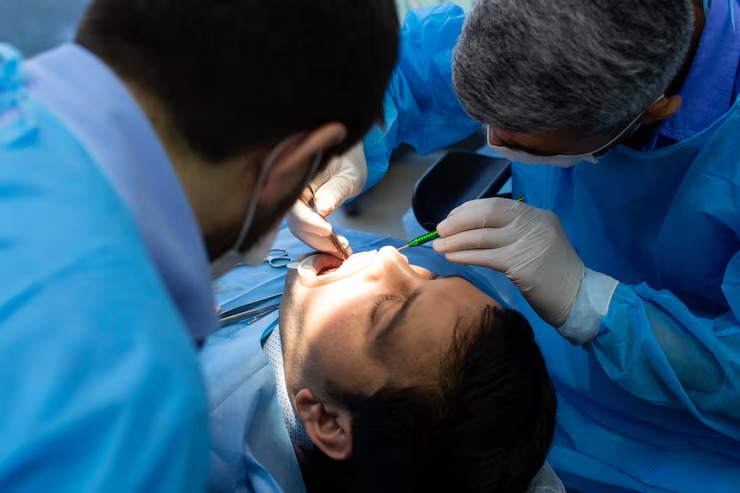
If you have been told you need gum treatment, you may feel unsure about what to expect. Searching for a dental office near you will make you understand the options and get clear answers. When gum disease progresses, deeper cleaning alone may not be enough. In such cases, surgical treatment may be recommended to protect your teeth and gums.
One standard procedure is to look for a Pocket Reduction Surgery Near You. It is often suggested that when gum pockets become too deep to clean correctly. This treatment helps reduce infection and supports long-term gum health. If you are wondering what happens during pocket reduction surgery, this guide explains each step in simple terms.
Why the Procedure Is Needed
Gum disease can cause the gums to pull away from the teeth. This creates pockets where bacteria collect. Over time, these pockets deepen and may lead to bone loss. Pocket reduction surgery for gum disease is performed to clean these areas thoroughly and reduce the depth of the pockets. When pockets are smaller, they are easier to keep clean with daily brushing and flossing.
Step 1: Initial Examination
Before surgery, your dentist will carefully examine your gums. This usually includes measuring pocket depth around each tooth and taking X-rays to check bone levels.
This step helps determine whether surgery is necessary and allows your dentist to plan the treatment properly.
Step 2: Numbing the Area
On the day of the procedure, the gums are numbed with local anesthesia. This keeps you comfortable during the surgery. You may feel pressure or movement, but you should not feel sharp pain. If you are anxious, sedation options may also be discussed in advance.
Step 3: Accessing the Pockets
The dentist gently lifts the gum tissue away from the tooth. This will then allow clear access to the roots and the infected areas under the gum line.This step is essential because bacteria often hide deep below the surface, where regular cleaning cannot reach.
Step 4: Removing Bacteria and Tartar
Once the roots are visible, plaque and hardened tartar are carefully removed. The area is thoroughly cleaned to eliminate infection.Smoothing the root surfaces may also help the gums reattach more firmly to the teeth.
Step 5: Reducing the Pocket Depth
After cleaning, the gum tissue is repositioned. The goal is to reduce the depth of the pockets to make them easier to maintain. In some cases, a minor reshaping of the bone may be needed to create a more even surface.
Step 6: Stitching the Gums
The gums are secured in place using small stitches. These stitches help the tissue heal properly and reduce movement during recovery.
Your dentist will explain how long the stitches will remain in place and whether they will dissolve on their own.
Step 7: Recovery and Healing
Healing takes time and proper care. Mild swelling and slight discomfort are normal for a few days. You may be advised to eat soft foods, avoid strenuous activity, and use a prescribed mouth rinse. Keeping the area clean without disturbing the stitches is essential. Follow-up visits are usually scheduled to monitor healing and to remove stitches if necessary.
Benefits of the Procedure
When the depth of the pockets is reduced, the risk of infection is lower. In addition, it will help protect the bone that holds your teeth in place.
Most people will experience less bleeding and healthier gums after healing. If you brush and floss well and visit your dentist regularly, the results can last a long time.
Is It Painful
After the anaesthesia wears off, most patients feel mild discomfort. With pain-relief medication and clear aftercare instructions, any soreness is likely to be minimal. If you experience unusual pain or heavy bleeding, contact your dentist promptly.
Maintaining Results After Surgery
After healing, daily brushing and flossing become even more critical. Professional cleanings and regular exams help prevent the pockets from returning. Gum health is an ongoing process. Early treatment and proper maintenance can protect your smile for a long time.
Take the Next Step for Healthier Gums
If you have been advised to consider this treatment, we at Smile 101 are here to guide you through every step. Book your appointment today and take control of your gum health with confidence.
Frequently Asked Questions
What happens during pocket reduction surgery?
The gums are gently lifted, infection is removed, roots are cleaned, and the tissue is repositioned to reduce pocket depth.
How long does recovery take?
Initial healing usually takes a few weeks, but complete healing may take longer depending on the case.
Is pocket reduction surgery for gum disease necessary for everyone?
No. It is recommended only when pockets are too deep to clean with non-surgical methods.
When should I visit a dental office near me for gum concerns?
If you notice bleeding gums, bad breath, or gum recession, schedule an evaluation as soon as possible.