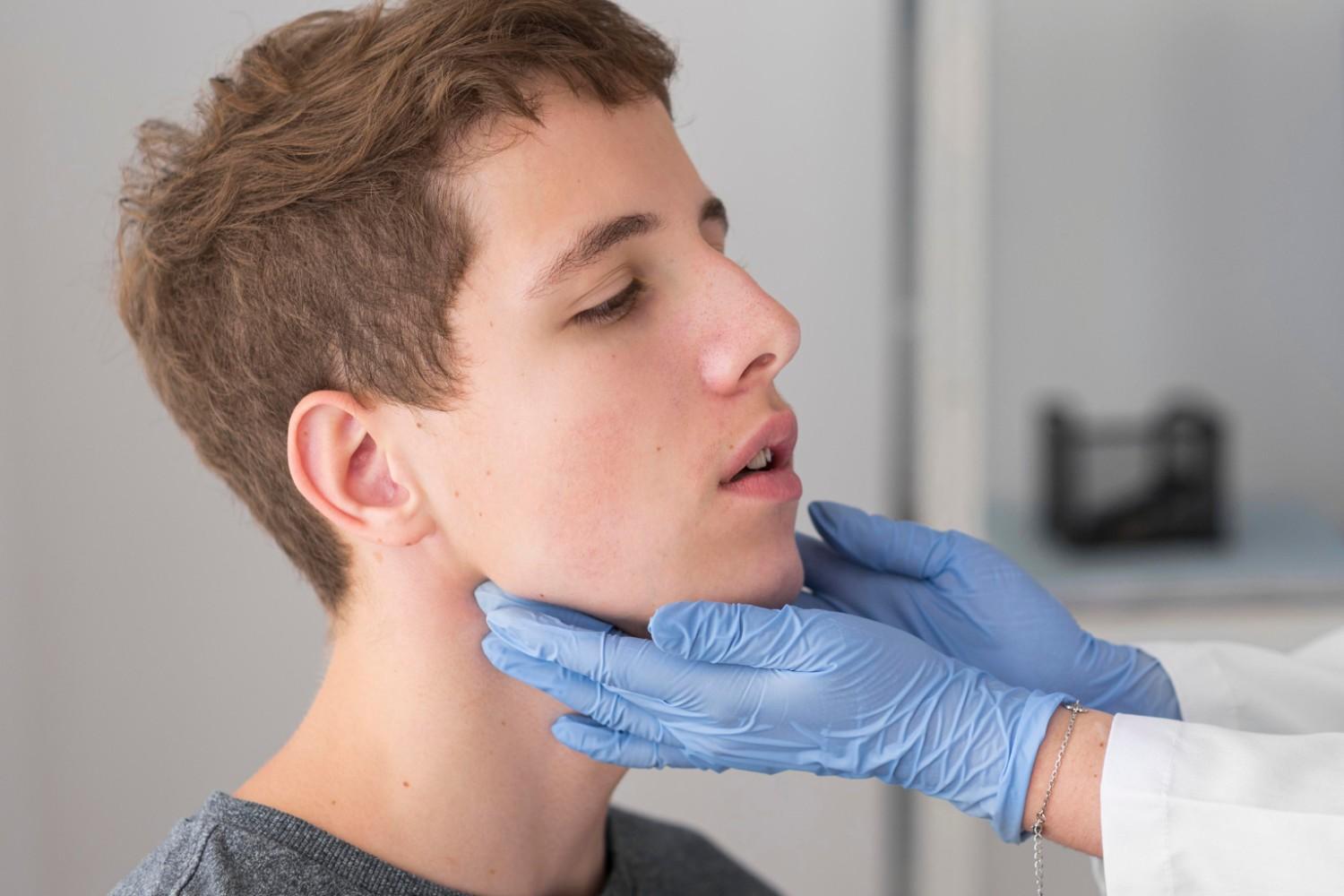
Jaw discomfort can affect your daily life more than you might think. From chewing to talking, even small movements may become uncomfortable.
If you’re experiencing jaw pain, clicking, or a locked jaw, it could be related to TMJ, or temporomandibular joint disorder.
Understanding the symptoms, treatment options, and visiting a dental office near you early can save you long-term discomfort
What Is TMJ?
The temporomandibular joint (TMJ) connects your jaw to your skull. It works like a sliding hinge, allowing you to open and close your mouth.
Problems with this joint or the surrounding muscles can lead to TMJ disorder. Early signs may seem minor at first, but can progress over time if not addressed.
That’s why seeking professional help for TMJ near you is recommended if you notice persistent jaw issues.
8 Common TMJ Symptoms To Watch Out For
Jaw Pain or Tenderness
One of the most common TMJ symptoms is pain in the jaw area. You may feel soreness when chewing, speaking, or even yawning.
TMJ pain causes and treatment options can vary, but a dentist can examine your bite, jaw movement, and muscle tension to determine the root cause.
Clicking or Popping Sounds
Hearing clicking or popping when you open or close your mouth is another warning sign. While occasional noises aren’t always serious, frequent sounds with pain may indicate a TMJ disorder.
Locked or Stuck Jaw
A jaw that is open or closed can feel alarming. It can happen immediately or slowly over time.
This symptom often requires immediate evaluation to prevent further complications.
Facial Pain or Headaches
TMJ issues can radiate pain to the face, temples, and even the neck. Many people experience tension headaches caused by strained jaw muscles.
Ear-Related Symptoms
Some TMJ patients report ringing in the ears, earaches, or a feeling of fullness.
Though it’s not a sign of an ear infection, these symptoms are often linked to jaw joint issues.
Difficulty Chewing or Biting
Chewing may feel awkward or painful. TMJ can make it challenging to eat certain foods or even chew on one side of the mouth comfortably.
Teeth Grinding or Clenching
Several patients with TMJ clench or grind their teeth often during the night; this habit can worsen the jaw pain and lead to tooth wear.
Using night guards or bite splints may help reduce damage.
Swelling Around the Jaw
In a few situations, the area near the TMJ might look swollen or feel slightly stiff, which can get worse with overuse or stress on the muscles of your jaw.
What are the Home Remedies for TMJ Pain and Discomfort
Taking care of TMJ pain at home can help you get relief from mild symptoms. Do the following to manage your TMJ symptoms:
- Apply warm or cold compresses to the jaw.
- Eat soft foods to reduce strain.
- Practice gentle jaw stretches.
- Avoid wide yawning or chewing gum.
- Manage stress to reduce teeth clenching.
These tips will offer a temporary relief, but taking help from a dental professional will always help reduce any persistent symptoms.
When to See a Professional
If you notice chronic jaw pain, locking, or clicking that affects daily life, it’s time to consult a dentist or TMJ specialist.
Early treatment can prevent worsening symptoms and help maintain jaw function.
A dentist will guide you on the best therapies like bite adjustments, custom splints or physical therapy that is designed to suit your needs.
Take Care of Your Jaw Today
Ignoring TMJ symptoms can lead to chronic discomfort and difficulty with everyday activities.
If you’ve noticed jaw pain, clicking, or other warning signs, scheduling an appointment at Smile 101 can help you get an accurate diagnosis and effective treatment plan.
Don’t wait; taking action now can protect your jaw health for years to come.
FAQs
Can TMJ problems go away on their own?
A mild TMJ symptom will improve after taking adequate rest, but if your symptoms are prolonged, you might need a professional evaluation to address a long-term issue.
Are there exercises that help TMJ pain?
Yes, gentle jaw stretches and muscle relaxation exercises can reduce tension and improve movement when done correctly.
Can stress make TMJ worse?
Stress can lead to teeth clenching or jaw tension, which may worsen TMJ symptoms over time.
Is TMJ surgery ever necessary?
Surgery is rarely needed and is considered only if other treatments fail to relieve severe, chronic jaw problems.