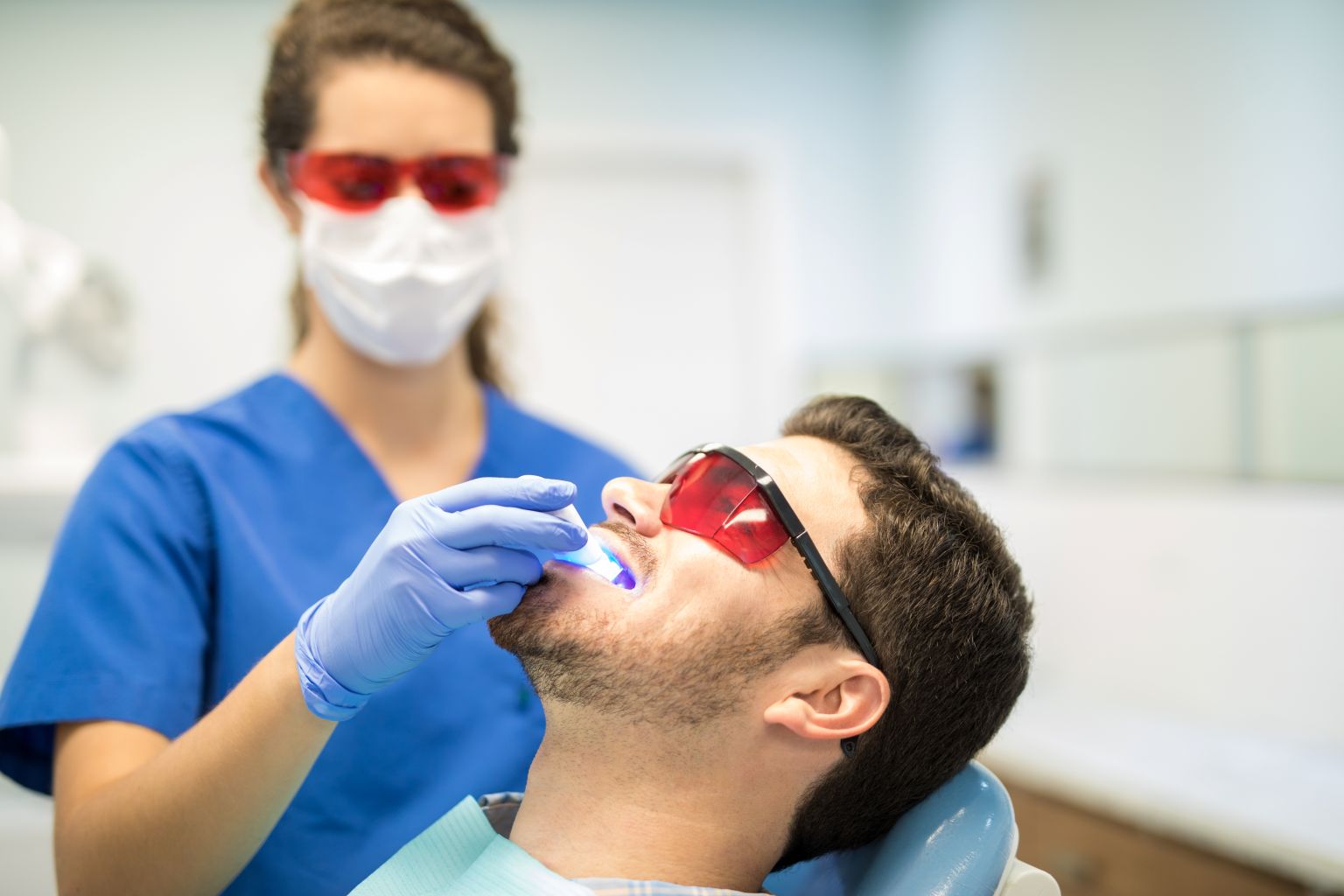
Many people want a brighter smile but worry whether whitening products are safe. When done properly, whitening can be both effective and gentle.
In this guide, we explain the facts so you can make an informed decision.
You’ll also learn when professional teeth whitening near you is the safer choice and what to expect before starting treatment – everything in this comprehensive blog.
Are Teeth Whitening Treatments Safe?
Professional whitening supervised by a dental team is considered safe for most people.
The formulas used in clinics are tested, controlled, and applied carefully.
Results are predictable, and your mouth is evaluated first to ensure the treatment is right for you.
Understanding the Most Common Side Effects
Some people may experience mild reactions during whitening. These usually fade quickly and do not cause lasting harm.
Common teeth whitening side effects include:
- Temporary tooth sensitivity
- Slight gum irritation
- Mild tingling or zapping sensations
- Increased sensitivity to cold foods for a short time
These effects usually last a few hours to a couple of days.
Who Should Supervise Your Whitening Treatment?
Seeing a trained professional ensures your teeth and gums are healthy enough for whitening.
A local dentist in Hunters Creek will examine your enamel, check for cavities, and recommend safe products based on your oral health needs.
Safe Whitening Methods Recommended by Professionals
There are many whitening options today, but not all are safe. A dental team near you can help you choose the safe teeth whitening methods, such as:
- Custom take-home trays with professional-grade gel
- In-office whitening with controlled light-activated systems
- Gentle whitening toothpaste approved by dental organizations
- Short-term whitening strips with regulated peroxide levels
These options protect your enamel while still offering effective brightening to your teeth.
Professional Whitening vs. Store-Bought Whitening
| Feature | Professional Whitening | Store-Bought Whitening |
| Strength of ingredients | Controlled, safe dosage | Fixed strength, may not fit your needs |
| Applied by | Dental professionals | Self-applied |
| Gum protection | Custom barriers & monitoring | Little to no gum protection |
| Risk of irritation | Lower | Higher if misused |
| Results | Faster, more even | Slower, less predictable |
How to Lower Your Risk of Sensitivity During Whitening
If your teeth tend to be sensitive, you can still whiten safely by using a few simple steps:
- Use sensitive toothpaste for 1–2 weeks before whitening.
- Avoid very cold foods for 24 hours after treatment.
- Ask for a lower-strength gel if your enamel is thin.
- Follow instructions exactly, do not whiten longer than recommended.
A Brighter Smile Starts With Safe Choices
Whitening is safe when you choose the right method and have your oral health checked first. Professional guidance ensures great results without hurting your enamel or gums.
If you want safe, effective whitening, Family Dentistry and Dental Specialists Group is here to guide you every step of the way.
Ready to brighten your smile? Contact Smile 101 today for expert whitening care!
Frequently Asked Questions
Is teeth whitening safe for everyone?
Most people can whiten safely, but those with gum disease, untreated cavities, or very weak enamel should get treated first.
Will whitening damage enamel?
No, when done properly, whitening does not remove enamel. It only removes stain molecules trapped inside it.
Can whitening make my teeth permanently sensitive?
No, sensitivity caused by whitening is temporary and usually fades within 24–48 hours.
Are natural whitening hacks safe?
Many DIY hacks, like lemon juice or baking soda, can erode enamel. Always choose dentist-approved methods.
How often should I whiten my teeth?
Most people do touch-ups every 6–12 months, depending on their habits (coffee, tea, red wine, etc.)