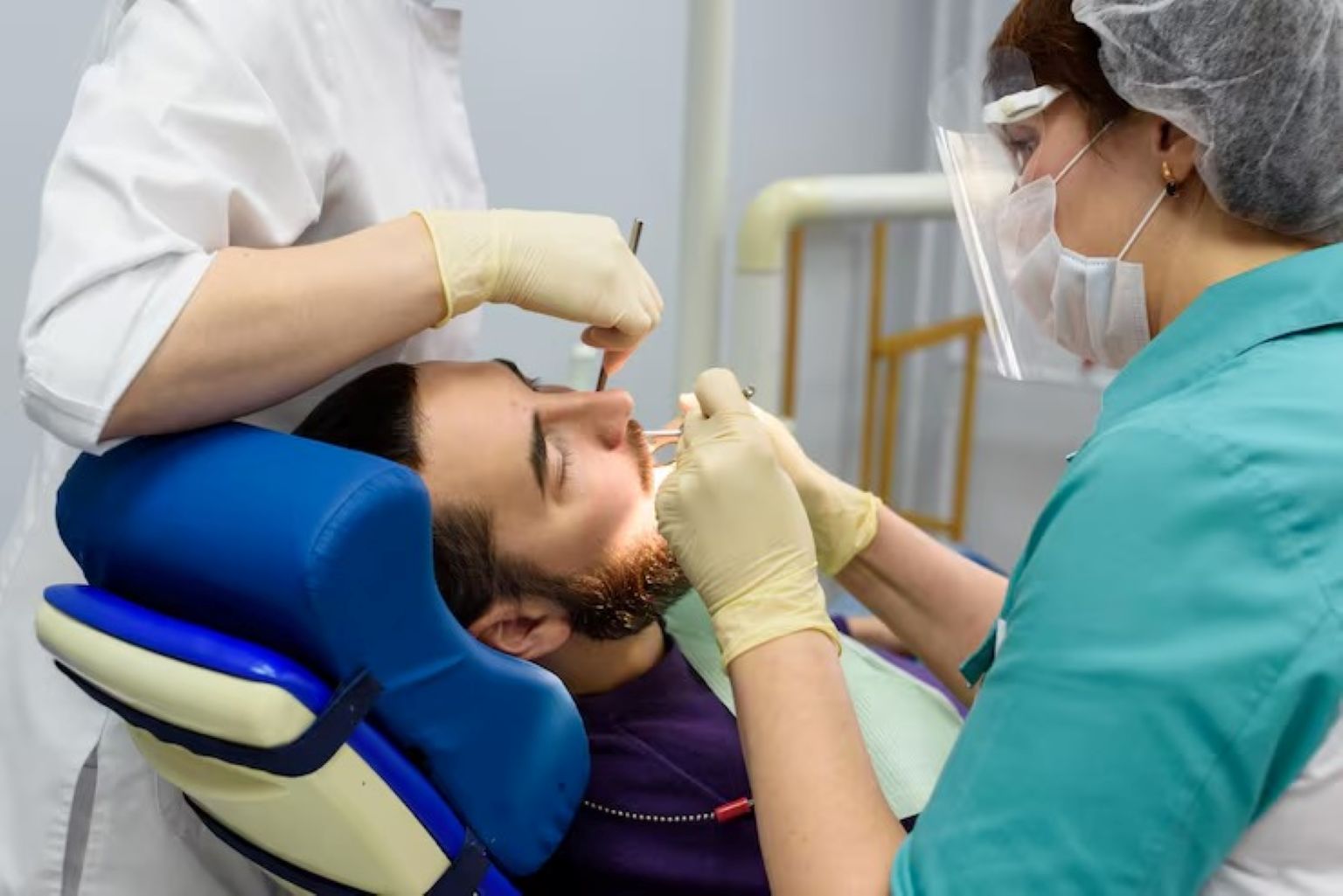
For decades, the mere mention of a root canal has been enough to make even the bravest patients feel dread. Much of this anxiety stems from outdated myths and old-school dental experiences that no longer reflect the reality of modern care.
If you are currently dealing with a persistent toothache and searching for a dental office near you, it is important to understand that this procedure is the solution to your pain, not the cause.
By removing the infection at its source, you can find immediate relief and save a natural tooth that would otherwise require extraction.
What Are The Common Myths About Dental Infections?
The most pervasive myth is that endodontic therapy is an agonizing experience. In the past, dental technology was limited, but today, the process is no more uncomfortable than getting a standard filling.
Another common misconception is that it is better to just pull the tooth. In reality, keeping your natural tooth is always the healthier and more cost-effective option for your long-term jaw alignment.
When looking for a root canal near Kissimmee, you will find that the priority is always on preserving your natural smile while ensuring you remain completely comfortable throughout the visit.
Why Is The Procedure Actually A Relief From Pain?
The severe pain associated with a root canal is almost always caused by the underlying infection within the tooth pulp, not the treatment itself. When bacteria reach the nerve, they cause intense pressure and inflammation that won’t go away on its own.
By cleaning out the damaged pulp and disinfecting the internal canals, your dental professional stops the biological “alarm bell” from ringing.
Once the pressure is relieved and the tooth is sealed, the excruciating throb that brought you into the office disappears, allowing you to return to a life free from dental distress.
How Have Advancements Improved The Patient Experience?
Dental science has advanced significantly, introducing modern pain-free root canal techniques that prioritize patient comfort.
One of the major game-changers is digital imaging and microscopic tools, which help the dentist clearly visualize tiny canals.
Furthermore, the development of more effective local anesthetics means that the treatment area can be completely numbed in seconds. For those with higher levels of anxiety, many offices now offer various levels of sedation to ensure that the entire experience is virtually imperceptible.
What Should You Expect After The Procedure Is Finished?
While the primary source of infection is gone, it is natural for the surrounding gum tissue and ligaments to feel slightly sensitive as they heal.
This root canal discomfort after treatment is typically very mild and can be managed easily with standard over-the-counter pain relievers. You might feel some tenderness when biting down for a few days, but this is a sign that your body’s immune system is working to repair the area.
Following your dentist’s aftercare instructions, such as avoiding crunchy foods temporarily, will ensure a smooth and rapid transition back to full health.
Can Sedation Help Those With High Dental Anxiety?
For many people, dental fear is more mental than physical. If dental work makes you nervous, you can talk to your provider about options like nitrous oxide or oral conscious sedation.
These methods keep you calm and comfortable while staying fully awake. A relaxed patient allows the dental team to work more efficiently, often enabling the procedure to be completed faster.
By focusing on anxiety-free care, everyone can get the dental treatment they need without stress.
How Do You Maintain Your Teeth For A Lifetime?
Once the internal canals are cleaned and sealed, the tooth is usually topped with a custom-made crown. This restoration is vital because it protects the tooth from fractures and restores its full chewing power.
With a high-quality crown and diligent daily hygiene, brushing and flossing just like you do with your natural teeth, a treated tooth can last a lifetime.
Regular check-ups are essential to monitor the restoration and ensure that the surrounding bone stays healthy, providing a solid foundation for your permanent, pain-free smile.
Myth vs. Facts about Root Canal Therapy
| Myth | Facts |
| It takes many long appointments. | Most cases are finished in 1 to 2 visits. |
| It causes illness in the body. | It actually removes dangerous bacteria. |
| The tooth will eventually fall out. | A restored tooth can last a lifetime. |
| It is extremely painful. | Modern numbing makes it virtually painless. |
Your Path to a Healthy, Pain-Free Smile
Treating a dental infection quickly helps prevent complications and protect your natural smile. Modern dentistry focuses on comfort to make your recovery as smooth as possible. Don’t let old fears keep you from the care you need.
At Smile 101 Family Dentistry, we use the latest technology to ensure a stress-free experience. Our team understands dental anxiety and works to make every visit as comfortable as possible. Saving your natural tooth is important for your overall health.
If you’re in pain or have questions about restorative care, contact us today to schedule a consultation.
Frequently Asked Questions
How long does a root canal procedure usually take?
Most procedures take about 60 to 90 minutes, depending on the complexity and the number of canals in the tooth.
Can I drive myself home after the treatment?
If you only used local anesthesia, you can drive immediately; however, if you chose sedation, you will need a designated driver.
Will I be able to eat right away?
You should wait until the numbness has completely worn off to avoid accidentally biting your tongue or cheek, and stick to soft foods initially.
Is a crown always necessary after a root canal?
In almost all cases, yes, because the tooth becomes more brittle after treatment and needs a crown for structural support.