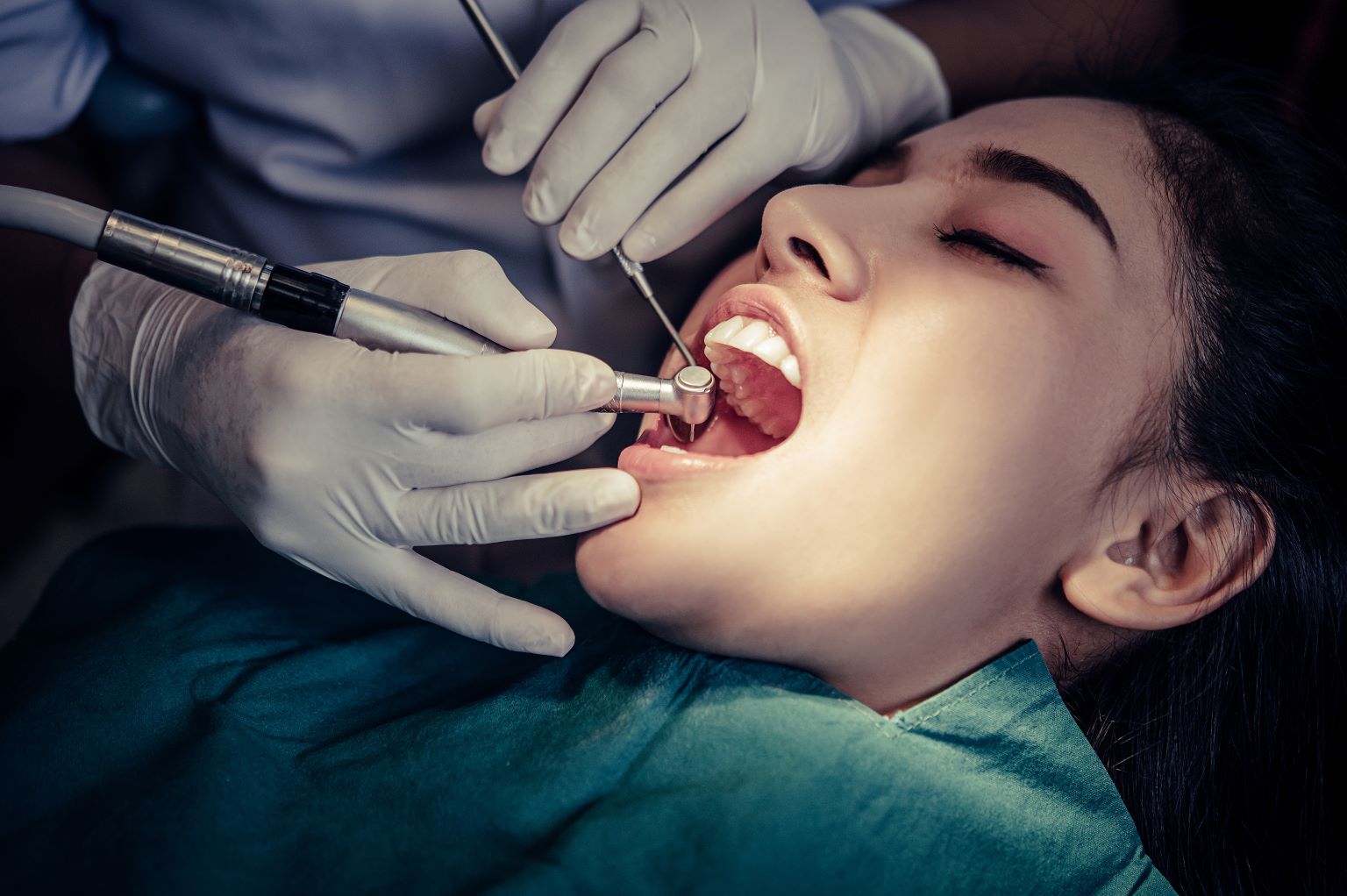
When your gum lines move back, the teeth may look longer. This is often an uncomfortable experience, both physically and emotionally.
Your dentist may recommend a gum graft near you if you experience increased tooth sensitivity and visible roots. But what does that mean, and is that the right thing for you?
Let’s break it down in simple terms.
What Is Gum Grafting and Why Is It Done?
A gum graft is a treatment that replaces tissue lost because of gum recession. During this procedure, your dentist will take a small piece of healthy tissue from another part of your mouth, usually your palate, and attach it to the area of your gum that has receded.
With this treatment, you get coverage for exposed roots, protection for sensitive teeth, and an overall improvement in your appearance.
Several people will need a gum graft, often as a part of receding gums treatment. Some people notice wear on their gums from brushing too hard or as a result of gum disease or simply aging.
Who Needs Gum Grafting?
If you have been asking yourself who needs gum grafting, there are signs it may be time to talk to your dentist:
- Your teeth look longer than before
- You feel pain or sensitivity when eating hot or cold foods
- You’ve been diagnosed with gum disease
- You notice dark spaces near the gum line
If you experience these symptoms, your gums may not be protecting your teeth. Going to a dental office in Kissimmee can help you determine if gum grafting is right for you.
What to Expect in the Procedure
During the treatment a numbing medication is used to make you feel comfortable, and a dentist will use the donor tissue to restore the gumline, either from your mouth or from borrowing it.
It may take weeks to heal, but most patients can go back to their normal activities within a few days, provided they follow the aftercare instructions given by a dentist.
How Gum Grafting Supports Long-Term Oral Health
Gum grafting is not just useful for appearance, but for your long-term health as well:
- Protects exposed tooth roots from decay
- Reduces sensitivity
- Prevents further gum recession
- Strengthens the support for your teeth
Patients notice the comfort of teeth and a fuller more aesthetically healthy appearance of the smile.
Caring for Your Gums After a Graft
After your procedure, gentle care is essential. You should follow the below tips:
- Use a soft-bristled toothbrush
- Avoid hard or crunchy foods
- Keep up with regular dental checkups
- Avoid smoking or using tobacco products
- Your dentist will also recommend future appointments to evaluate your healing and observe how well the graft takes.
Why Choose a Professional for Gum Grafting?
Though the process of gum grafting seems simple, it has to be done with precision and expertise. Indeed, a reputable dentist in South Kissimmee will assess your gum condition to choose the best grafting method.
They will ensure you a speedy healing process with less pain.
Wrapping Up!
If your gums or your teeth are feeling sensitive, you might need gum grafting. Talk to our team at Smile 101 to restore your comfort, protect your teeth, and regain your confidence in your smile
Schedule your consultation for gum grafting today.
FAQs
Does gum grafting hurt?
No, the treatment is performed with the help of anesthesia, which is not painful, but there would be a mild soreness, which is normal.
How long does it take to heal from a gum graft?
Most people recover within two to three weeks, though full healing may take a little longer depending on the extent of the graft.
Can gum grafting fail?
Although this rarely occurs, grafts may not fully attach if proper care is not followed. Keeping up with aftercare and dental checkups can help avoid complications.